Are Zodiac Signs Secretly Influencing Your Life Choices?
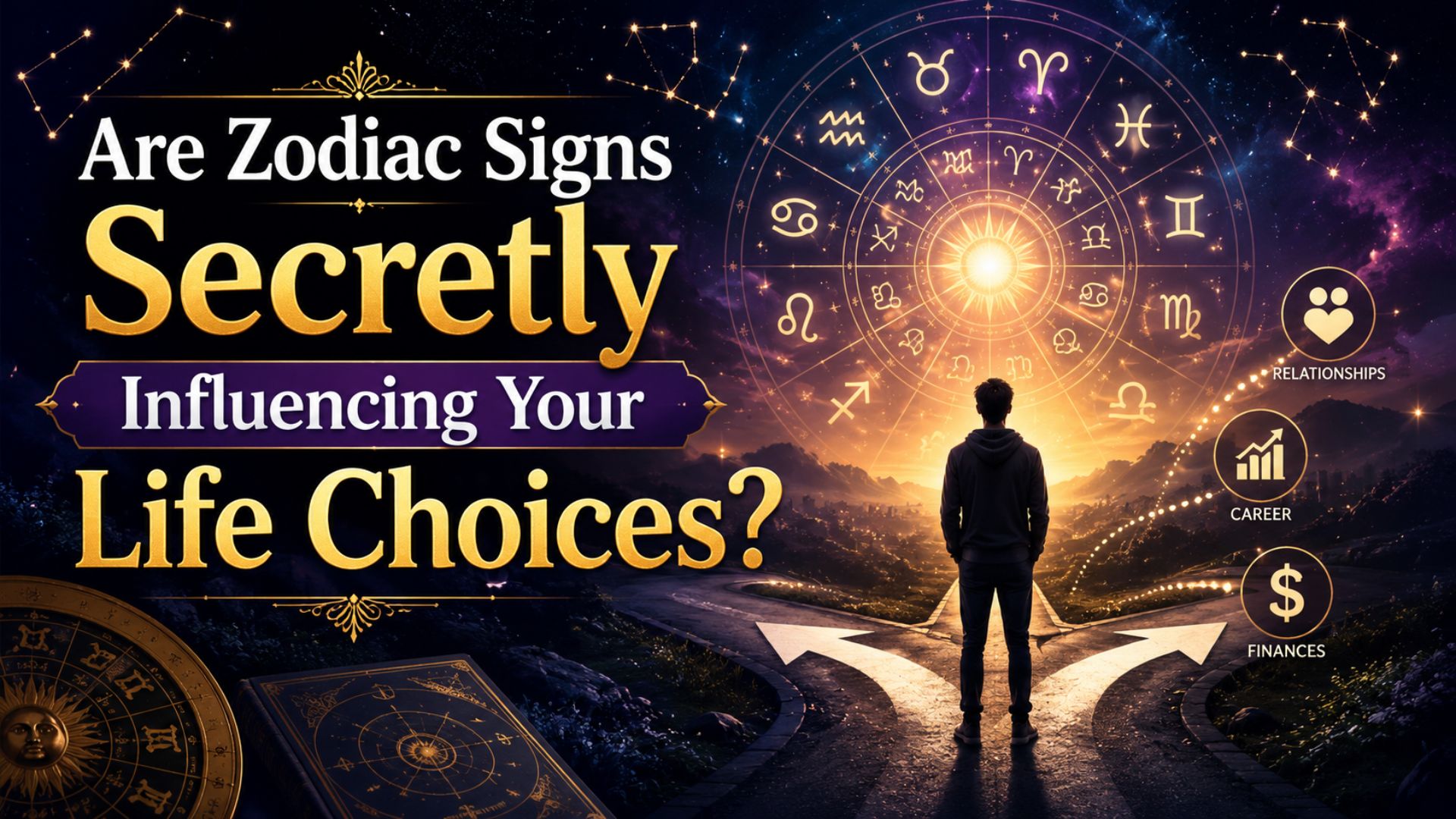
Have you ever wondered why people born under the same birth period often seem to share similar personality traits? The short answer is that zodiac signs can provide a symbolic framework for understanding behavior and personal tendencies, but they do not determine your future or control your choices. Many people use astrology as a tool for self-reflection rather than prediction. Through years of studying astrology and discussing birth charts with enthusiasts and professional astrologers, I've found that the greatest value comes from using these insights as guidance instead of fixed rules. When approached with an open yet critical mindset, astrology can encourage self-awareness while leaving room for personal growth and free will.
What Makes Astrology So Popular Around the World?
Astrology has remained relevant for thousands of years because it offers a structured way to reflect on personality, emotions, and life experiences. Ancient civilizations such as the Babylonians and Greeks developed systems that later evolved into modern Western astrology.People continue exploring astrology because it helps them:
- Reflect on personal strengths and weaknesses.
- Understand emotional patterns.
- Improve communication with others.
- Gain perspective during uncertain situations.
Rather than replacing logic or evidence-based decision-making, astrology often serves as a conversation starter for self-discovery.
Practical Example
A client once explained that reading their birth chart helped them recognize recurring communication patterns. Instead of assuming the chart predicted every outcome, they used the information to improve workplace relationships consciously, a practical application that relied on personal effort rather than destiny.
How Should You Interpret Astrological Guidance?
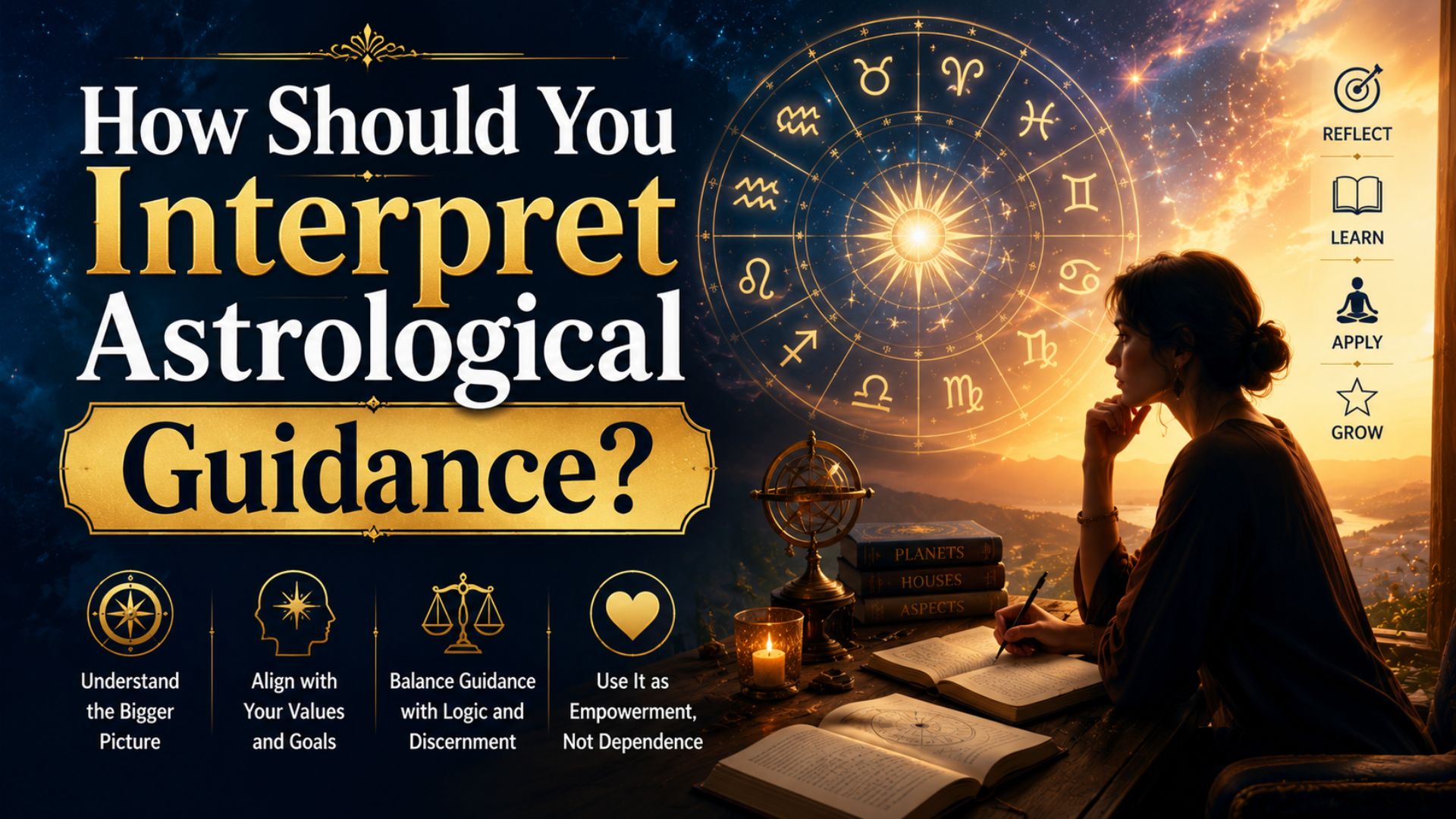
The most effective way to use astrology is as a reflective tool rather than a prediction machine.Consider these best practices:
- Compare astrological interpretations with your real-life experiences.
- Keep a journal to identify recurring behavioral patterns.
- Use insights to improve decision-making rather than avoid responsibility.
- Combine astrology with practical planning and critical thinking.
Professional astrologers often emphasize that birth charts reveal tendencies, not guaranteed events. This balanced perspective helps avoid unrealistic expectations.
Many people also compare different horoscope signs better to understand compatibility, communication styles, and emotional preferences. While these comparisons can be entertaining and insightful, successful relationships ultimately depend on trust, mutual respect, and shared values rather than astrological matches alone.
Why Do Some Astrological Readings Feel Surprisingly Accurate?
Several psychological principles help explain why astrology resonates with many readers.
The Barnum Effect
People naturally relate to broad personality descriptions that appear personally meaningful.
Confirmation Bias
Individuals often remember predictions that come true while overlooking those that don't.
Self-Reflection
Reading symbolic interpretations encourages people to think deeply about their goals, emotions, and behaviors.Experienced practitioners generally acknowledge these psychological influences while maintaining that astrology is best viewed as one source of reflection rather than objective proof.A practical tip is to review multiple interpretations before drawing conclusions instead of relying on a single daily reading.
Can Astrology Help You Make Better Decisions?
Astrology works best when paired with thoughtful planning.For example, before making a career change, many people evaluate:
- Skills and qualifications
- Financial readiness
- Market opportunities
- Personal interests
- Family priorities
Some also review zodiac signs for additional personal insight, treating astrology as one perspective among many rather than the deciding factor.Later in the decision-making process, readers frequently explore broader astrology signs interpretations to understand long-term personality development and life themes. These insights may inspire reflection, but lasting success still depends on consistent action, learning, and informed choices.
What Are the Biggest Misconceptions About Astrology?
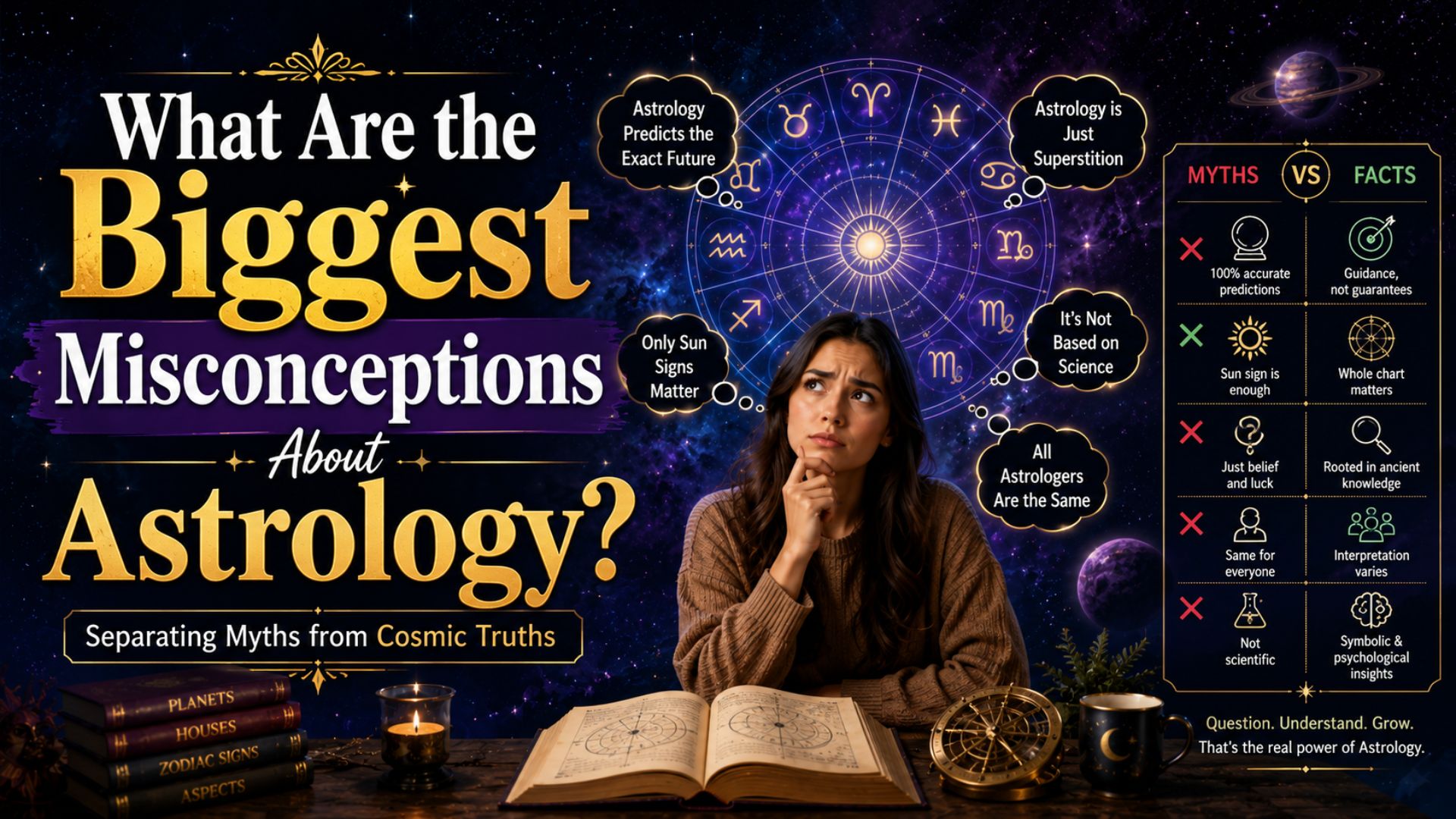
Common myths include:
- Astrology predicts every future event.
- Everyone with the same birth date behaves identically.
- Birth charts remove personal responsibility.
- Compatibility depends only on sun signs.
Professional astrology is significantly more detailed, incorporating planetary positions, houses, aspects, and birth time. Responsible practitioners consistently remind clients that astrology complements, not replaces, personal judgment.
You can also watch: The Ultimate Zodiac Podcast Love, Compatibility & Astrology Secrets
Conclusion
Astrology continues to fascinate millions because it encourages meaningful self-reflection and personal exploration. While it can offer valuable insights into personality and behavior, it should never replace careful thinking, evidence, or individual responsibility. The most balanced approach is to use astrological guidance as inspiration while making decisions based on knowledge, experience, and real-world circumstances. If you're curious, explore your birth chart with an open mind and decide what genuinely resonates with your own life.
FAQs
Q: What are zodiac signs and what do they represent?
A: Zodiac signs are twelve astrological divisions based on the Sun's apparent yearly path. Each sign is associated with symbolic personality traits, strengths, and challenges. They are commonly used for self-reflection rather than scientifically proven personality assessment.Q: What is the difference between a birth chart and a zodiac sign?
A: A zodiac sign refers only to your Sun sign, while a birth chart includes the positions of the Sun, Moon, planets, and astrological houses at your exact birth time. A birth chart provides a far more detailed interpretation.Q: How do I find my zodiac sign accurately?
A: Your zodiac sign is determined by your birth date. For a complete astrological profile, you'll also need your birth time and birthplace to calculate your full natal chart using reliable astrology software or a professional astrologer.Q: Does getting an astrology reading cost money?
A: Costs vary widely. Many websites offer free basic readings, while detailed consultations with experienced astrologers typically range from $50 to several hundred dollars depending on expertise and session length.Q: What is the best way to use astrology responsibly?
A: Treat astrology as a reflective tool instead of a source of absolute predictions. Combine its insights with practical planning, critical thinking, and real-world evidence when making important personal or professional decisions.Q: What is the most common mistake people make with astrology?
A: The biggest mistake is believing astrology completely determines life outcomes. Most experienced practitioners encourage using astrological insights for self-awareness while recognizing that personal choices, circumstances, and effort play much larger roles.
